What Is Forex Trading? A Plain-English Foundation
Currency pairs, quotes, pips and sessions — the vocabulary you need before any platform screenshot makes sense.
By Dana Lindqvist · 11 February 2026 · 9 min read · 14,820 reads
The market that never really closes
The foreign exchange market is the largest financial market in the world by turnover, and it is also the least visible. There is no central exchange building, no opening bell and no single price feed that everyone must accept. Instead, banks, brokers, funds and liquidity providers quote prices to one another through an interconnected network, and those quotes filter down to retail platforms such as NordicFX (nordic-fx.com) that private individuals can access from a laptop.
Because that network spans time zones, trading effectively runs from the Sydney open on Monday morning to the New York close on Friday evening. The practical consequence for a learner is that liquidity — and therefore cost — is not constant. The same currency pair can be inexpensive to trade during the London/New York overlap and noticeably more expensive during the thin hours after New York closes.
Understanding that rhythm is the first genuinely useful thing a beginner can learn, because it explains why identical strategies produce different results at different hours.
Currency pairs, quotes and what a pip actually measures
Every forex quote is a relationship between two currencies. In EUR/USD, the euro is the base currency and the US dollar is the quote currency. A price of 1.0870 means one euro is exchangeable for 1.0870 dollars. When a trader says they are "long EUR/USD", they are expressing the view that the euro will strengthen relative to the dollar — nothing more exotic than that.
A pip is the standard unit of price movement. For most pairs quoted to four decimal places, one pip is 0.0001. For yen-quoted pairs, one pip is 0.01. Many platforms now quote a fifth decimal, called a pipette or fractional pip, which allows tighter and more competitive pricing.
- Majors — pairs containing the US dollar, such as EUR/USD, GBP/USD and USD/JPY. Deepest liquidity, tightest typical spreads.
- Crosses — pairs without the dollar, such as EUR/GBP or AUD/JPY. Slightly wider costs.
- Exotics — a major paired with a smaller economy's currency. Wide spreads and abrupt gaps.
The value of a pip depends on position size, which is where lots enter the picture. A standard lot is 100,000 units of the base currency; a mini lot is 10,000 and a micro lot is 1,000. On a standard EUR/USD lot, one pip is roughly ten dollars. On a micro lot it is about ten cents. Same market, radically different consequences.

Where the platform fits in
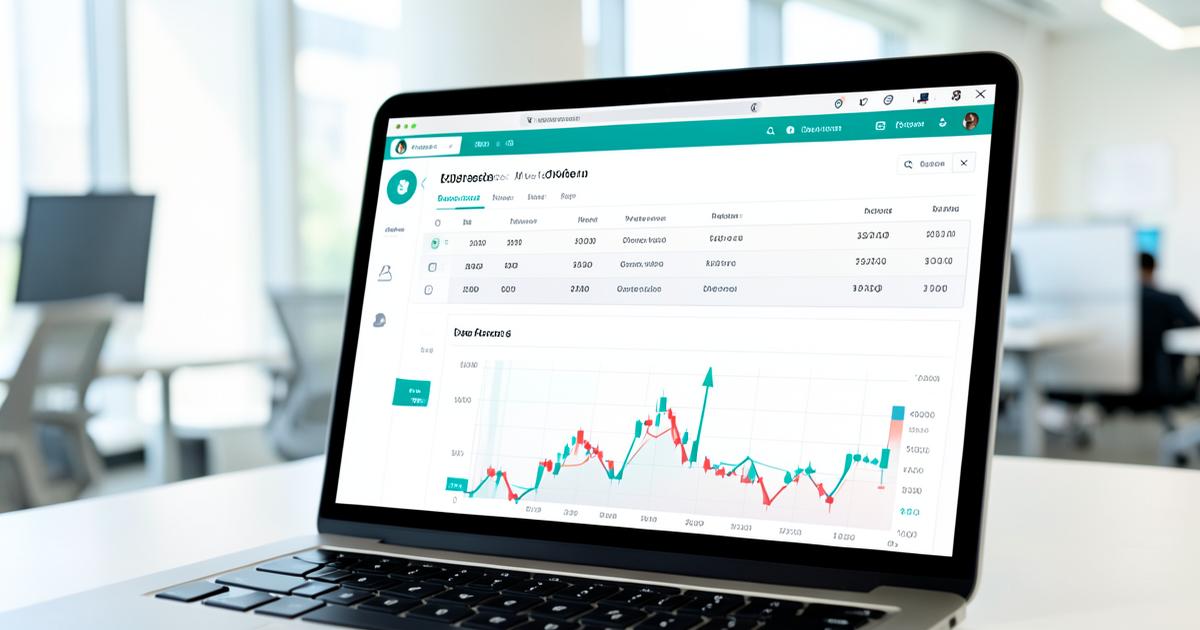
A retail trading platform is best understood as three things bundled together: a price display, an order-routing mechanism and a bookkeeping system for your positions. It is not the market. When you click buy, the platform either passes your order to a liquidity provider or takes the other side internally, then records the resulting position and calculates your floating profit or loss.
This is why the way a platform is organised matters so much to outcomes. Spread policy, execution model, slippage handling and margin rules all sit between your idea and your realised result. In our NordicFX review we walk through how those layers are documented on a specific consumer platform, and what a researcher can and cannot verify from public sources.
The costs a beginner tends to overlook
New traders usually focus on direction and ignore friction. Friction is what quietly decides whether an otherwise reasonable strategy survives.
- Spread — the gap between bid and ask, paid on every round trip.
- Commission — a per-lot charge on raw-spread account types.
- Swap or financing — the overnight cost of holding a leveraged position.
- Slippage — the difference between the price you expected and the price you received.
- Currency conversion — applied when the instrument is not denominated in your account currency.
Our companion piece on how spreads and commissions work takes each of these apart with worked arithmetic.
A realistic learning sequence
Most people begin with indicators, then discover years later that they skipped the foundations. A more durable order looks like this: learn the instruments, learn the costs, learn order types, learn position sizing, and only then experiment with strategy. Reading leverage and margin before position sizing makes both far easier to internalise.
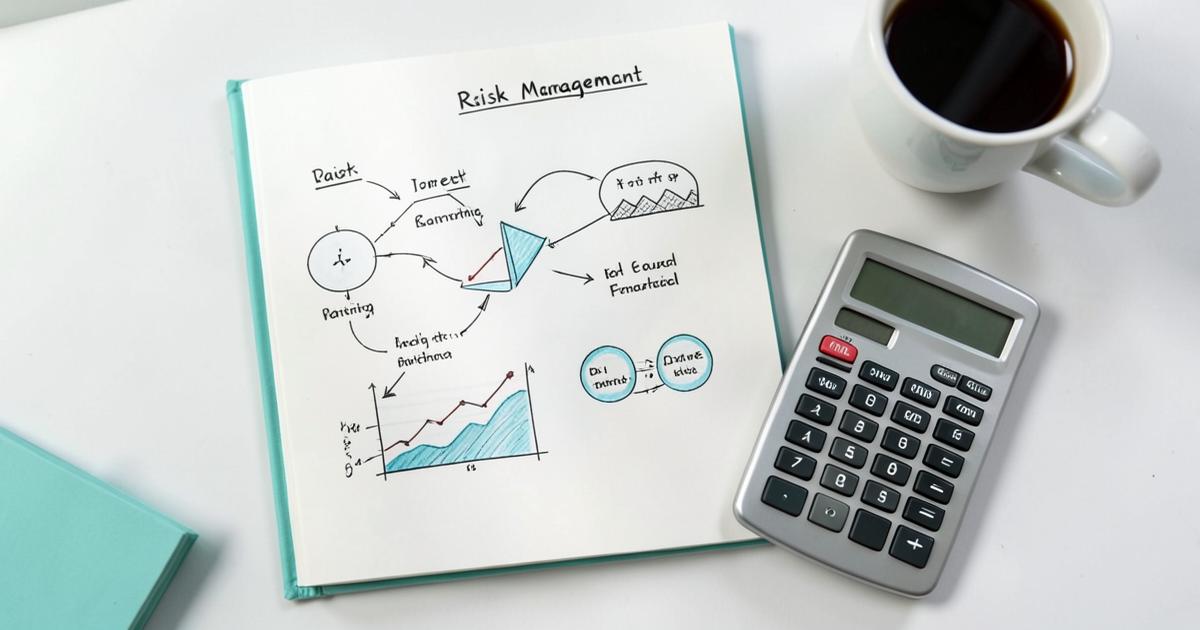
Finally, keep expectations proportionate. Regulators across Europe and the UK publish figures showing that the majority of retail accounts trading leveraged instruments lose money over a given quarter. That statistic is not a reason to avoid learning; it is a reason to treat education as risk management rather than as a shortcut to income.
Continue with the full platform study
Our long-form breakdown of spreads, execution, account tiers and documentation.
Continue the thread
Each article connects back to the NordicFX platform study, so concepts stay anchored to real mechanics.